British Ghost Cases
Every nation possesses folklore. Every culture tells stories about spirits, ancestors, monsters, and the unseen world. Yet Britain occupies a curious place in the history of the supernatural.
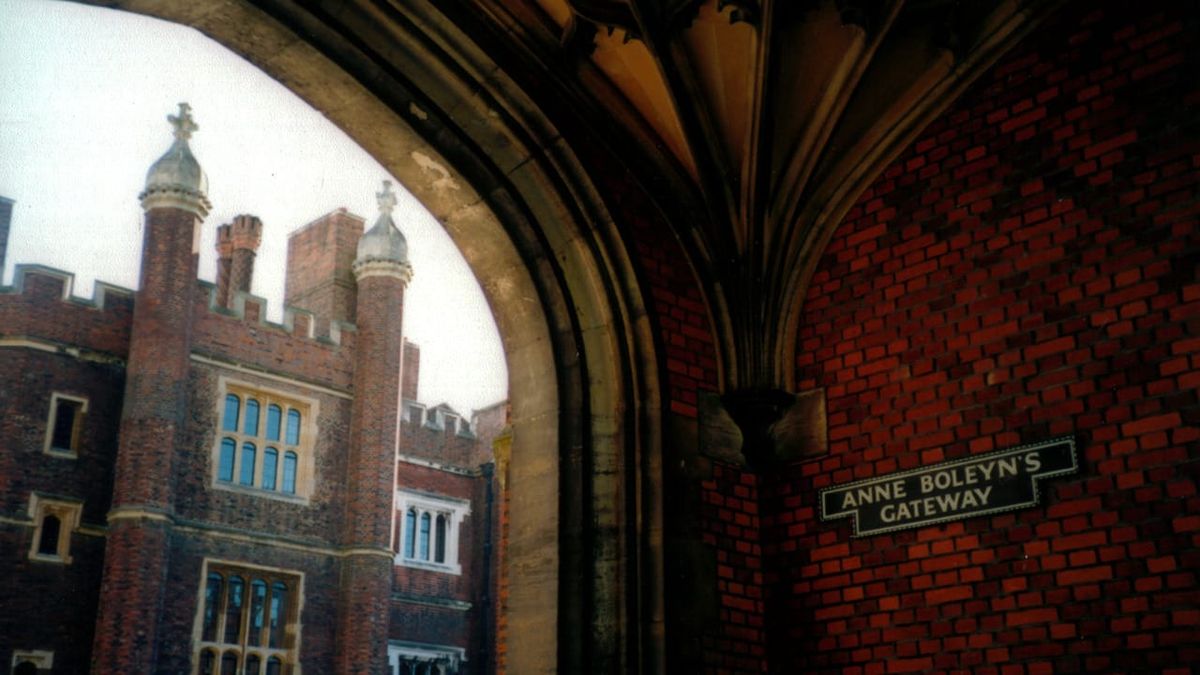
Why Britain Became the World's Most Haunted Storyteller
Walk through almost any ancient British town after sunset and you will find a ghost tour, drawing stories from the shadows.
Stories of Roman soldiers marching beneath a city street. A child glimpsed in a former Victorian schoolhouse. A grey lady gliding through a Tudor corridor. A headless nobleman patrolling the battlements of a medieval castle.
These stories have become so familiar that it is easy to forget how unusual they are.
Few countries possess such a dense concentration of historic buildings and battlefields. Castles and ruined abbeys stand in the centre of most old towns, often near ancient cathedrals and notorious prisons.
Fewer still have documented those stories and debated them so thoroughly across centuries.
What is it about Britain that makes it seem so haunted?
A Landscape Built Upon Its Own Past
Britain is a country where the past rarely disappears.
Across much of the world, older settlements were abandoned, destroyed, or rebuilt beyond recognition. Britain instead accumulated its history layer upon layer.
Roman roads became medieval routes. Saxon churches became Norman cathedrals. Monastic sites became aristocratic estates. Ancient sacred places became Christian pilgrimage destinations.
The result is a landscape where thousands of years of human memory coexist within the same physical space.
 Nick Hammond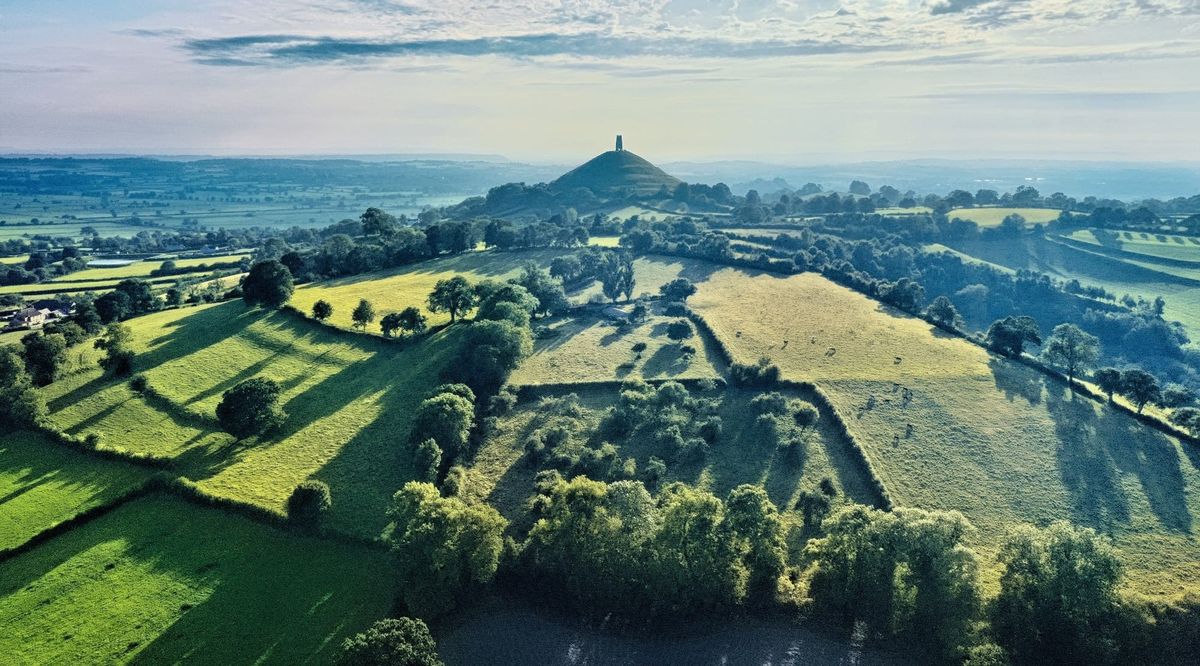
In ancient Glastonbury, generations separated by centuries have stood in exactly the same locations asking remarkably similar questions about life and death, and what lies beyond.
If a place has witnessed countless lives, with all their tragedies and celebrations; or centuries of prayer and departure, or in the case of the Tower of London, executions, does that site become more than architecture?
Does it become a container of memory?
Is this why so many reported hauntings occur where history seems unusually concentrated; and less so in ordinary locations?
The British Obsession with Ghosts
Britain collects ghost stories, preserves them.
Medieval chroniclers recorded apparitions alongside political events. Monastic writers documented visions and supernatural encounters.
Victorian antiquarians travelled the country gathering local legends before they disappeared. Newspapers published accounts of hauntings and phantom coaches.
The 20th century saw the rise of organised paranormal investigation, psychical research, and systematic attempts to document experiences that earlier generations might simply have called hauntings.
Unlike some cultures where stories of spirits remained primarily within oral traditions, Britain developed a habit of recording them.
This has produced one of the richest supernatural archives anywhere in the world. Hippisley Coxe's guide to Haunted Britain, listing all the "supernatural sites frequented by ghosts, witches, poltergeists and other mysterious beings" became an instant classic when published in 1973.

Whether these identified cases, and all those Coxe missed, represent folklore and psychology, or were simple misinterpretation and coincidence; or were genuine anomalies remains open to debate. Yet the persistence of the reports themselves cannot be ignored.
Generation after generation continues to describe experiences that sound remarkably familiar.
Cathedrals, Castles and Places of Power
Many of Britain's most famous hauntings occur in locations associated with authority.
Castles housed kings, queens, prisoners, and soldiers. Cathedrals witnessed coronations, funerals, and centuries of worship. Abbeys stood at the centre of medieval spiritual life.
Executions took place in public squares and on prominent hills.
These sites became stages upon which human dramas unfolded.
The Tower of London, like all of our venerable abbeys and historic palaces, accumulated stories due to the passing of time, and also because they are important. History happened there. Executions were significant and emotions were powerful. Naturally memories have endured.
Many reported hauntings appear connected to people whose stories continue to resonate through history. The appearance of the ghost of murdered archbishop Thomas Becket in the rooms above Traitor's Gate, is among the most famous examples; or the unlucky painter hanged at Portsmouth Dockyard gate.
Nick Hammond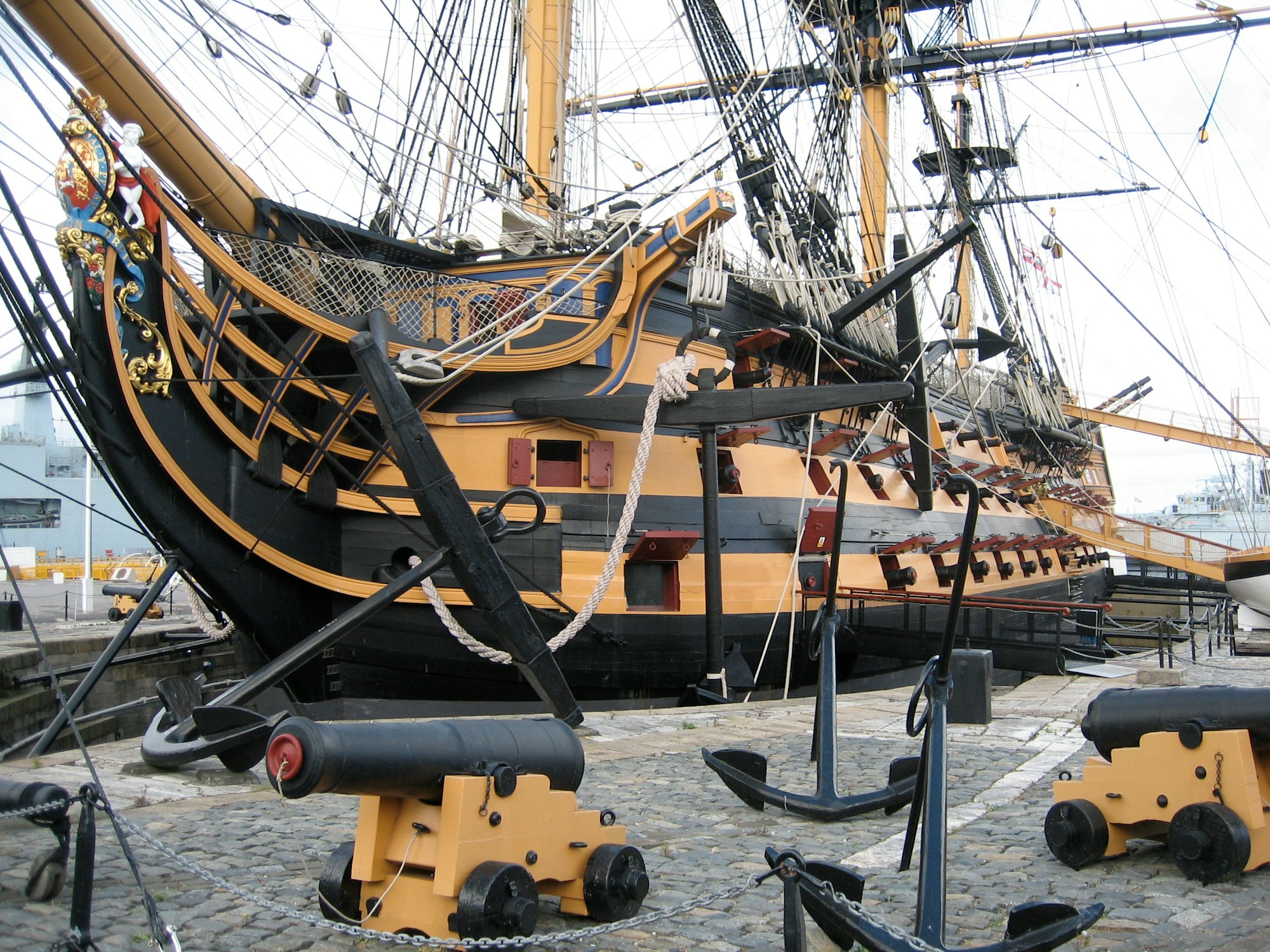
Ancient Britain and the Legends of the Land
Some of Britain's oldest supernatural traditions entirely predate written history.
Stone circles and burial mounds have for many centuries inspired legends; especially places such as Stonehenge, Avebury and Glastonbury Tor. The prehistoric landscapes of Britain remain associated with mystery despite generations of archaeological investigation.
Britain is dotted with standing stones, springs and ancient trackways. Although medieval Christian tradition often associated them with the devil, people describe feeling unusual sensations and emotions in these ancient places, even a sense of powerful paranormal presence.
Do these experiences arise from expectation; are they purely psychological responses, or something less easily explained?
Is it the mystery of the giant stones that infuse these locations with a sense of difference?
What is clear is that the stories endure.
How Britain Compares with Other Nations
Britain is not unique in possessing supernatural traditions.
Ireland preserves rich stories of fairies, banshees, and the Otherworld. Scandinavia retains legends of hidden folk and ancient spirits.
Japan records encounters with yūrei, ghosts tied to emotion, memory, and unfinished business.
Indigenous cultures across the world maintain traditions that connect landscape, ancestors, and spiritual presence.
Nick Hammond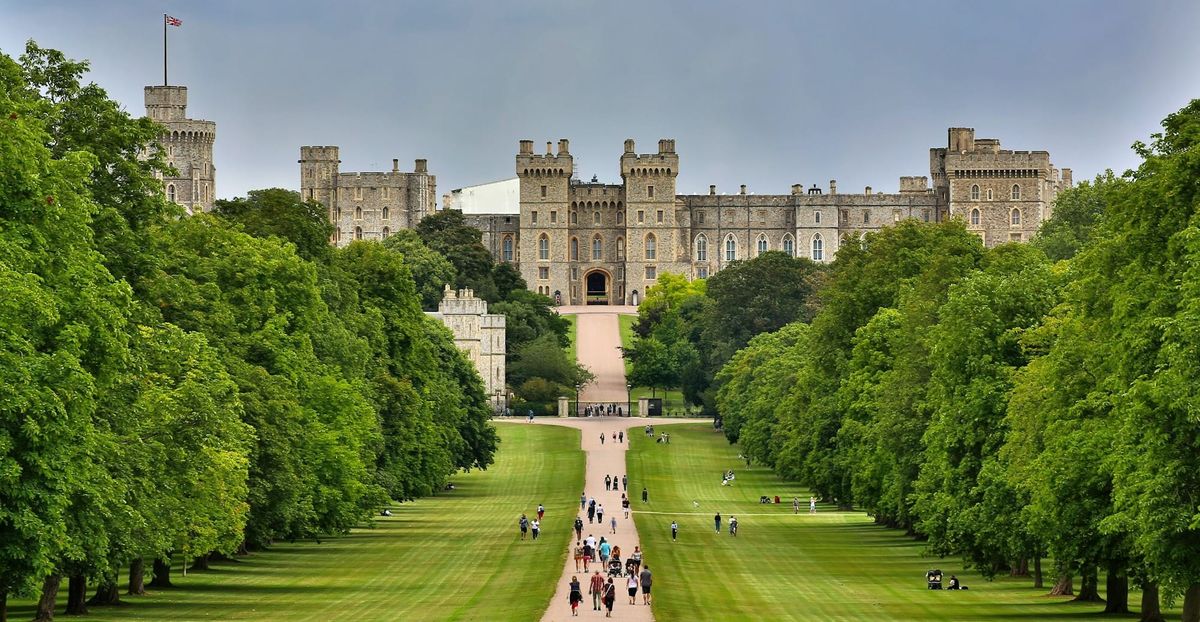
Yet Britain's folklore differs in one important respect. Many cultures focus upon the supernatural as part of a living cosmology. Britain increasingly transformed its supernatural traditions into historical narratives.
Our ghosts are often attached to specific buildings, identifiable individuals, and documented events.
The result is a folklore that frequently reads like history. The ghost is a person, not merely a spirit or legend. A character within a continuing story.
Perhaps that is why British hauntings remain so compelling. They feel connected to real lives.
Nick Hammond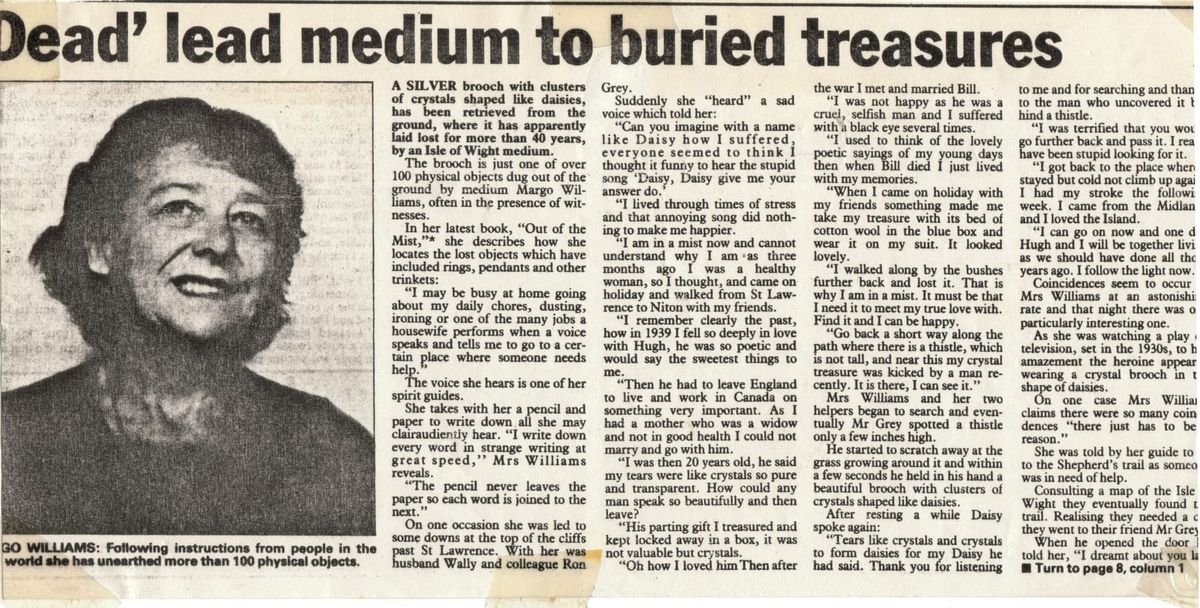
The Margo Williams Clairaudient Archive
Among the many investigators who explored Britain's haunted landscapes, few followed a path as unusual as Margo Williams.
During the 1970s and 1980s she became one of Britain's most controversial paranormal investigators.
Unlike traditional ghost hunters, whose work focused on environmental observation, Margo claimed to receive communications from individuals she believed were trapped between past and present.
Working alongside her husband Walter Williams, a former War Office chemical engineer who researched and verified historical details contained within the transcripts, she investigated cases across Britain ranging from private homes to some of the country's most famous historic sites.
Whether viewed as evidence of survival after death, encounters with individuals trapped within time, expressions of the unconscious mind, or unexplained historical anomalies, these cases form part of a remarkable archive that continues to raise questions today.
Beyond Ghost Stories
Some readers will conclude that ghosts are products of culture and imagination. Others may suspect that certain experiences point towards realities we do not yet fully understand.
Both perspectives are welcome here.
For centuries Britain has accumulated stories that refuse to disappear. The buildings remain, the questions remain.
And perhaps that persistence is the greatest mystery of all.
Continue Exploring
Time Anomalies
What if some hauntings are not ghosts but intersections with the past?
Isle of Wight Ghosts
The island's folklore, séances, investigations and haunted locations.
Unsolved Mysteries
Ancient monuments, lost meanings and the power of wonder.
The Margo Williams Archive
Investigations into survival, hauntings and the possibility of life after death.