Few places comparable in size to the Isle of Wight possess such a remarkable concentration of ghost traditions and unsolved mysteries. Why?
A Host of Hauntings
What makes somewhere haunted? Is it the amount of ghost stories? The intensity of one haunting? Or simply the number of generations who have chosen to remember strange experiences here?
Much of what we know about the Island's modern ghost traditions owes a debt to the work of paranormal investigator Gay Baldwin, whose Ghosts of the Isle of Wight series preserves dozens of local accounts that might otherwise have disappeared.
Read together they reveal something fascinating: no two hauntings are quite alike.
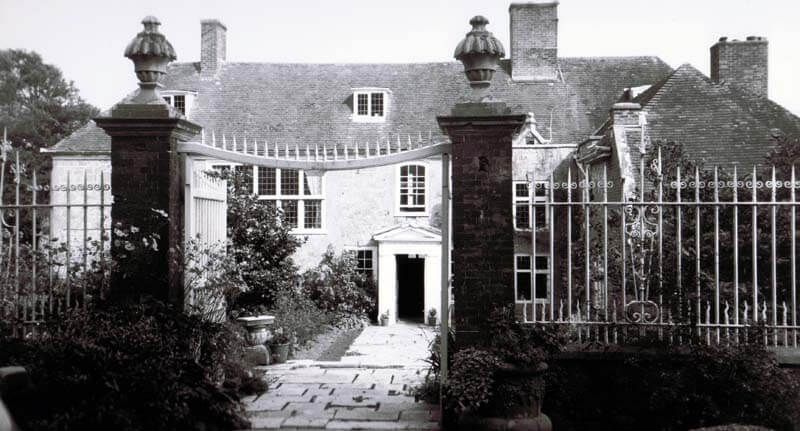
Among the Island's most disturbing traditions is Billingham Manor, where witnesses have described screaming, flying objects and experiences so frightening that long-term occupation proved difficult even for a senior military officer.
The remarkable thing is how varied the Island's stories are.
Some stories belong to ruined buildings. Knighton Gorges House disappeared more than two centuries ago, yet tradition insists the house sometimes returns together with a phantom carriage.
Others belong to surviving monuments. At Carisbrooke Castle an apparition walks the battlements; at Quarr Abbey monks carry a flower-covered coffin. At St. Catherine's Tower mysterious lantern-light has been reported.
Elsewhere the stories become stranger still. Nunwell House's Grey Lady is said to touch the living. The Longstone carries traditions stretching back into prehistory. Dimbola Museum reminds us that photography changed humanity's relationship with memories.
Ghost Island or Memory Isle?
This island has long traded in memories. During the Victorian and Edwardian eras, holidaymakers crossed the Solent in their millions. They wandered Sandown pier, explored Blackgang Chine, marvelled at Alum Bay's coloured sands and breathed the sea air beneath the cliffs at Ventnor. Most returned home carrying more than souvenirs. They carried memories.
A postcard beginning "Wish you were here..." might travel hundreds of miles before being tucked into a drawer for decades. Family photographs stood upon mantlepieces long after the children smiling in them had become grandparents themselves.
Albums filled with seaside holidays, recorded lives that otherwise would have slipped from history. Ordinary families who, for most of human history would have left little visual trace, suddenly possessed a permanent record of where they had been, how they had looked and whom they had loved.
In that sense the Isle of Wight became a factory for future nostalgia.
 Nick Hammond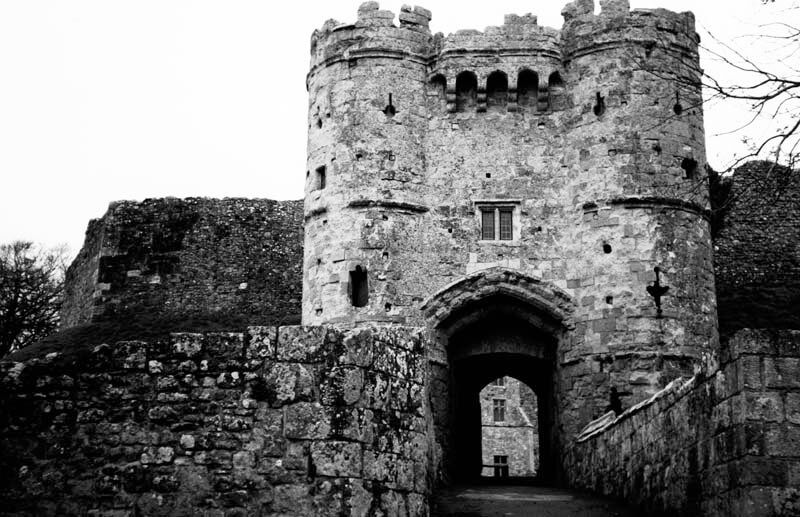
Long before anyone spoke of heritage tourism, people were already visiting the Island to create memories they hoped would last a lifetime. Yet the Island had been accumulating memories for thousands of years before the first camera arrived.
Long before holidaymakers crossed the Solent, other visitors came for very different reasons. Roman settlers established farms here. Saxon and Viking fleets crossed the narrow waters. Normam lords reshaped the landscape, while French raids and the threat of the Spanish Armada left memories of conflict.
The Island's position at the gateway to the Solent ensured that every age left traces of itself.
Thousands of years earlier still, prehistoric communities raised the Longstone and buried their dead beneath the chalk downs. Their names have vanished but their monuments remain.
The questions they left behind are among the Island's oldest unsolved mysteries.
Places do not literally remember. People do.
Yet people leave traces behind: we have buildings and monuments, photographs, traditions and stories. Each generation inherits those traces, adds its own and passes them on again. Over time the landscape begins to seem as though it remembers.

What A Ghost Can Tell Us
Almost every ghost story tells us something. Some preserve injustice, or grief; some preserve architecture that has vanished. Some preserve local identity.
Ghost stories are historical objects. Even if no apparition ever existed, their story does.
Ghosts, whether real or imagined, reveal something about the living. They show what communities choose to remember, and what tragedies refuse to fade. Ghosts tell us which places continue to provoke wonder centuries after the events that gave birth to their legends.
Which is why the Isle of Wight remains such an extraordinary place to explore. Every ghost story tells us something about our history and how we choose to remember. They tell us about ourselves.
Not because every ghost story is true, but because every ghost story is part of the Island's story.
Perhaps the Isle of Wight has preserved so many ghost stories because it has never quite allowed its past to disappear. Each generation has inherited its landscapes and monuments, and the unanswered questions attached to them.
Some of those stories became history.
Others became ghost stories.